


Plant-based collagen alternatives
Novel extraction technology could help tap growing consumer demand for effective and functional plant-based collagen alternatives, says Korean startup Rawga.
Anthony Fletcher, Freelance Journalist
September 16, 2024
The growing popularity of collagen supplements – taken for skin, joint, and general health – was in evidence at Vitafoods Europe in May.
A key appeal lies in the fact that collagen is a natural, functional ingredient, offering a range of benefits – but it is not without its drawbacks.
“Some 99.9% of the collagen market is animal-based,” said Raw Kim, CEO of Rawga. “Consumers have pain points when it comes to animal collagen in terms of safety concerns, fishy taste, synthetic additives, and environmental impact.”
The company believes that consumers are increasingly looking for alternatives to animal collagen to improve their personal health, deliver better taste, and protect the environment.
Rawga claims to extract collagen from plant cell walls
To address this need, Rawga developed a technology that it says can extract collagen from the outer cell wall of plants.
“We hydrolyse plants to extract the extensins, or glycoproteins, of the plant's outer cell wall,” explained Kim. “Our technology is able to extract these as the smallest units of collagen – dipeptide and tripeptide structures – rather than just simple plant-derived free amino acids.”
Kim said the next step would be to find a plant rich enough in collagen amino acid composition. Unfortunately for his team, the ideal plant identified – hibiscus – does not grow easily in Korea.
The company therefore had to take the audacious step of establishing a farm in Laos, where hibiscus grows well. The entire industrial process was then vertically integrated, with the aim of bringing a plant-based collagen alternative to market.
“All this required a great deal of time and a lot of capital,” said Kim.
Collagenogenic – or collagen-boosting – properties
The success of this initial work means that Rawga is now well placed to tap into demand for plant-based collagen alternatives.
“[It] has the same collagenogenic matrix as common animal collagen, which means that the body produces collagen from it,” said Kim.
“It doesn't have the unpleasant taste that animal collagen can have, so there's no need for synthetic additives to mask them. We also believe that it is safer, because it is made from organic hibiscus. It contains antioxidants (polyphenols and flavonoids), which are inherent in plants.”
Kim believes this product offers more functionality than many current plant-based products, which simply contain single amino acids derived from plants.
He added: “We felt that we were really able to stand out from companies that are simply blending single amino acids.”
Expansion of plant-based collagen alternatives
The company has carried out in vivo and in vitro studies to confirm the role that collagen plays in maintaining health.
“We’re currently working on clinical trials to add credibility to the [ingredient’s] effectiveness, which will help us expand globally,” said Kim. “Collagen is a universal ingredient that is consumed globally.”
Rawga was the first Korean company to be selected for the Most Innovative Nutraceutical Ingredient category at this year’s Vitafoods Startup Innovation Challenge. This enabled the company to showcase its innovation to global buyers, and the experience of Vitafoods was a highly positive one, the CEO added.
“Participating in this event really gave us confidence in the expansion of plant-based collagen,” said Kim. “We were able to meet with global collagen companies, and I am convinced there is a huge market for innovation here.

10 simple and natural ways to deal with acne at home
For those dealing with acne prone skin , it’s common knowledge that it’s a constant battle to not only treat zits and spots but to prevent them from coming back. But if reading about ingredients like salicylic acid, benzoyl peroxide and AHAs makes your head spin and if you want to take a more natural route, here's what you can try.
1) Try tea tree oil as a spot treatment
Tea tree oil is a popular acne-fighting ingredient because of its bacteria-zapping and inflammatory powers. Applying 5 per cent tea tree oil to breakout prone areas is a good step towards clear skin because it soothes and calms the area down while fighting the infection. Tea tree oil contains multiple compounds including terpenin, the main antiseptic component that is known to kill certain bacteria, fungi and viruses.
2) Use an apple cider vinegar rinse
If alcohol-based toners are too strong for your skin, a diluted ACV tonic serves as a natural astringent. It can kill bacteria on the skin surface, while restoring balance to the skin pH. This helps to fortify the skin barrier, a key factor in healthy skin.
3) Mix turmeric into your topical and oral regimen
Turmeric has potent anti-inflammatory and antioxidant properties, and is one of the best skin brighteners around plus it also boosts collagen production. When added to your smoothies or food, turmeric can improve wound healing and reduce inflammation from the inside-out, all of which help to reduce acne.
4) Try treating with green tea
Green tea is rich in antioxidants and has bacteria-fighting and anti-inflammatory properties, which are ideal for treating and preventing acne. Just steep some green tea in boiling water for a few minutes and then let it cool before applying to the face with a cotton ball.
5) Apply honey all-over
The primary reason honey is said to be good for acne is because of its natural antibacterial qualities. Plus, the sugars in honey soak up the water content in the pore lining, which creates an environment where acne-causing P acnes bacteria can't thrive.
6) Soothe the skin with aloe vera
If you're only using strong exfoliating ingredients on acne-prone skin, stop! You'll want to counteract the drying properties by soothing and coddling skin with aloe vera. Not only is it the best at soothing aggravated skin, it helps calm inflamed pimples and also keeps oiliness in check. It even contains salicylic acid and sulphur, both of which have amazing acne-fighting properties, making aloe a great way to fight off breakouts while cooling the skin. “For all the other ingredients, I’d exercise caution and use just a pinch. But with aloe vera nothing is too much . You can slather it on an irritated face, after you’ve gotten waxing done or have had a bad reaction to a skincare product.
7) Steam your skin
Steaming has been a popular practice to help detoxify and refresh the skin. The heat helps open up clogged pores (the pre-cursor to acne), making it easier to unplug and clean out. Plus, the heat also improves blood circulations, forcing blood and nutrients to rush to the skin and give you a glow. To amp it up, using a clay mask after really helps to draw all the impurities out.
8) Ice it
While it may sound all too easy, cold temperatures can constrict the blood vessels and reduce redness in the area, a key factor if you're dealing with an inflamed, painful zit. Just be sure not to apply the ice directly on your skin to prevent burning the skin. Instead, wrap it in a napkin or paper towel and apply on your spot for a few seconds at a time.
9) Exfoliate often
The process of exfoliation helps clear off the top dead layer and reveal the new healthy and younger skin cells. You can go the DIY route with this step too, choosing a fruit enzyme or a home-made scrub to slough off any dead skin cells on the surface.
10) Drink more water!
The easiest one of all, drinking enough water balances the oil and water content on the skin. This helps to prevent excess oil and sebum secretion, which means fewer clogged pores and acne. Plus, a hydrated body is able to improve the natural ability to detoxify as well.
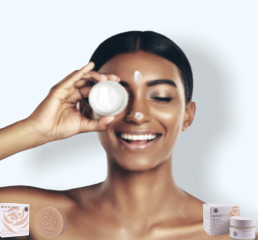
DESERT BLISS GENTLE CARE well-being and comfort for everyone, through high quality products.
Our DESERT BLISS cosmetic formulations based on camel milk
Available in trade label DESERT BLISS , Volenta cosmetics company offers a range of cosmetic product formulations based on camel milk, Bulgarian rose oil, water and other natural elements. Camel milk has been used since antiquity. Mesopotamia and ancient Egypt saw their queens turn it into a real ritual for facial and body care. Egyptian and Berber women owe their astonishing softness of skin to it. Thanks to its dermo-tensor active ingredients and its concentration of vitamins, camel milk is a powerful antioxidant and repairing agent. By its formulation, this range combines camel milk with precious vegetable oils to make a concentrate of anti-ageing benefits.
A Dermo-Tensor Power
Very rich in vitamin C, camel milk tightens the skin and gives it anti-oxidant protection. The vitamin B that this milk contains will also protect you against the aggressions of the sun.
A Nourishing Power
In fact, camel milk is a real cocktail of vitamins: A, B, C, D, B1, B2, etc … This makes camel milk a very appreciated active ingredient in cosmetics because it really nourishes the skin.
A Rejuvenating Power
Also very rich in iron and magnesium, camel milk preserves the skin from daily aggressions and contributes to its suppleness and elasticity.
DESERT BLISS GENTLE CARE
Camel milk & Bulgarian rose oil cosmetics
For years Bulgarian cosmetic companies have been creating formulations from Bulgarian rose oil and rose water. We respond to requests for special label production in small and medium series. Volenta Cosmetics offer always natural products of the highest quality. Combine traditional recipes and modern technology. Reveal the precious qualities of the Bulgarian rosa damascena in combination and harmony with the priceless elixir of the desert.
Here is our range of care and cosmetics:

Why adding camel milk to your skincare routine is necessary.
Camel milk has been utilized in skincare for generations and has been added to soaps (particularly natural soaps) for long periods as well. Camel milk-rich soaps are creamier and more delicate than cream-free soaps. The ingredients present in camel milk, such as minerals, vitamins, essential fats, lactic acid, and oils, add conditioning and moisturizing characteristics to the soap. Following milk skincare routines can give a glow and boost towards healthy skin. All milk types have some beneficial effects on the skin, no doubt, but none of these kinds of milk are as nutritious as camel milk. This is a fact, not entirely surprising. Camel calves require all the food they can get in some of the world’s harshest and hottest environments. But female camels produce only about 6 liters of milk per day, revealing that camel’s milk is far higher in nutrition than any other milk. Water is soul, but camel milk is life
Widely known to support healthy insulin function, camel milk has great expectations for your body. Camel milk is associated with increased insulin sensitivity because of its natural insulin amount.
Whether it’s skincare, hair, or face, camel milk is great for everything! Did you know that camel milk promotes healthy lactation and optimal nutrient composition of breast milk? Yes, it’s true. Besides this, it is used for a variety of other purposes.
Camels are one of the most adorable creatures in the animal kingdom with their big eyes and long eyelashes, but did you know those desert animals can help improve your beauty? Use camel milk as part of your beauty routine.
Camel milk supports skin elasticity, contains vitamin C, and is rich in skin-loving ingredients like alpha-hydroxy acids that leave your skin soft and smooth, making it a very popular ingredient in creams, ointments, and masks for hydration, radiance, and soft skin.
Why camel milk?
Camel milk is indeed composed of a surprising range of ingredients, including unique nutrients and proteins, making it a perfect substitute for cow milk and a basic ingredient in skincare and dietary supplements.
Immune-active protein is probably the most significant constituent of camel milk. The unique molecular structure of concentrated immune proteins in camel milk supports immune cell function and response.
Gentle to sensitive skin
The gentleness of camel milk and products based on it make it perfectly safe for people with delicate skin. It is gentle on the skin, so it will be a nutritional and cleansing experience for all ages when used correctly. Camel milk is full of vitamins and Lactoferrin which improves iron utilization.
In the past, opposing widespread belief, Queen Cleopatra took a bath with camel milk almost every day. This helped her out to attain an almost incredibly youthful look through most of her life. Perhaps a foreign idea to them, most people have a hard time seeing themselves bathing in a bathtub filled with camel milk even momentarily.
Camel milk skincare products real benefits on the skin:
- Alpha-hydroxy acids behave as collagen stimulants, providing a gentle and natural exfoliating action to improve the skin’s appearance and feel.
- Vitamins and Minerals- Camel Milk comprises a gold mine of minerals and vitamins. These vitamins, acting alone or together, contain anti-aging and functional antioxidant properties.
- Phospholipids are a significant class of biomolecules. Phospholipids are components of cell membranes. The naturally occurring phospholipids in camel milk repair and protect the skin through collagen and elastin secretion.
- It promotes collagen production which helps cushion the joints, improve joint health and skin elasticity.
- It has a distinctive milk structure and works within the skin layer [permeating beyond the uppermost layer of the skin (epidermis) and reaching the vascular dermis], stimulating cell regeneration, collagen production, and stimulation. Elastin promotes healing and immune responses within the lower skin level.
- Natural oils from other skin products “do not peel” the skin, balance the skin’s pH, and support the skin's natural oils.
- Benefits to building the skin’s natural resistance against UV rays.
- Creams contain camel milk used to treat cracks, chapped, and dry skin.

Creating healthy skin
Creating healthy skin by balancing the skin microbiome is the focus of DESERT BLISS GENTLE CARE range
A microbiome is a collection of microorganisms that live inside or outside your body. And while the role of the intestinal microbiome in our health is already well established, the skin microbiome is emerging as a critical factor in the health and protection of our skin. With studies showing a violation of its delicate balance can lead to several skin disorders, such as dandruff, acne, psoriasis or atopic dermatitis. The imbalance of our skin microbiome can be due to various factors, including diet, hormonal imbalance, lifestyle and use of drugs and cosmetics. The basis of our skin care is to make your skin healthy and beautiful. We created it to help build the skin's microbiome, because it is the biome (and, of course, diet) that drives the health of your skin. Camel milk contains everything necessary for the skin to be naturally beautiful and healthy. Most skin care products contain antibacterial and antifungal ingredients that help maintain the shelf life, but they disrupt the skin's microbiome, denying any positive benefits of the "active ingredients" and often worsening your skin. Without an understanding of the biome and the immune system, you can't actually create skin care that is beneficial. And the benefits are vast! Camel milk is one of the richest, natural sources of probiotics, anti-inflammatory lipids and immunosuppressive proteins. Its unique properties penetrate the lower layers of your skin to provide you with deeper hydration, unlike any other natural skin care ingredient. It can stimulate both collagen and elastin production and is full of alpha hydroxy acids (AHAs), which gently exfoliate to improve texture, smooth fine lines and help prevent wrinkles. Vitamins A, B, C, D and E provide anti-aging benefits, antioxidants and help restore the skin and its natural and rejuvenation. DESERT BLISS GENTLE CARE simultaneously cleanses, moisturizes and protects our natural skin biome with a nutritional combination of camel milk, rose water, natural oils and extracts to revitalize and restore your skin to optimal health. The microbiome is different in different parts of the body. We have created a range that the whole family can use on a daily basis to create the healthiest skin possible, whether it is normal, sensitive, dry, aging, inflamed or damaged.
The range contains rejuvenating day cream for protection and recovery with camel's milk, rose water and rose oil with high sun protection SPF 50 | An anti-aging night cream that nourishes and brightens with camel's milk and the precious rose oil | , balancing and gentle shower gel for body 24 h | . Hydration that will not dry out the skin with frequent use, but will deeply hydrate and nourish it to protect it from the harmful effects of the environment. Soothing youthful face cream with natural antibacterial properties to protect, soothe and hydrate with camel's milk, rose water and sumac, which hydrates, revitalizes and balances the skin's natural pH
The DESERT BLISS GENTLE CARE product range was created with the help of the freshest, farmed camel milk, the largest licensed camel farm in the EU, the Emirati Camel Milk Processing Company - Dubai, UAE. Located on 15 sq.km. territory with more than 6145 pcs. camels, the fastest growing dairy company in the region with extraction and processing of 4 million liters. camel's milk per year. The DESERT BLISS GENTLE CARE product range is distributed by ZDRAVNITSA and to the partner network of 188 stores, drugstores, pharmacies. Products are available online https://shop.zdravnitza.com/bg/, and in the logistics center "Zdravnitsa" Bulgaria , Sofia, 74 Edirne Street tel .: 02/483 72 91; 02/426 02 62

Bulgarian rose water and oil - a secret of beauty and health
ENDLESS BENEFITS OF BULGARIAN ROSE WATER FOR OUR HEALTH
Bulgarian Rose water has been an elixir of beauty since ancient times. But what exactly is DESERT BLISS rose water? It is a natural product obtained by the distillation of the Kazanlak oil-bearing rose (Rosa Damascena Mill), which grows only in the Valley of Roses. It contains natural antioxidants, vitamins B, C and E. Rose essential oils are part of the water, rose water is also known as "essential water" or "rose hydrosol". Hydrolate is a condensation that forms during the distillation of flowers and contains water-soluble plant substances and essential oils. The ingredients of the hydrolate give rose water a positive effect on the body and mind. Interestingly, rose water eliminates sadness. Inhaling rose water and spraying on the head and face makes the body relax. The release of "endorphins" in the brain allows people to feel relieved and relaxed.
Rose water is also used to relieve headaches. The best way is to apply a cold compress with rose water for about 45 minutes Rose water is useful for relieving depression and stimulating the heart, brain, eyes, skin and is also effective in treating epilepsy. Dental problems such as periodontitis can be effectively treated with rose water. It also relieves inflammation of the gums. When used regularly, rose water can reduce gum pain and strengthen teeth. By dripping a few drops of rose water on a rotten tooth, you can relieve toothache. In addition, rose water is very effective in eliminating bad breath. Aeration of rose water is useful for the treatment of asthma and cough to relieve hoarseness, it is good to gargle with rose water. Rose water eliminates chest pain and prevents the risk of anesthesia. Inhaling rose water also helps strengthen the heart.
Drinking cold rose water removes the internal heat of the body and gives you strength
ROSE WATER AGAINST HEADACHE AND TIRED EYES
If you have a headache, put a scarf soaked in rose water on your forehead. You will be surprised how quickly you will feel better. Rose water is very effective for soothing tired and tense eyes. This is especially useful for those who have to work on the computer for long hours. Applying rose water eye drops soothes strained eyes and helps treat cataracts. If your eyes are swollen in the morning, leave the rose water in the refrigerator for about 20 minutes, then soak two cotton swabs with it and put them on your eyes. Stand like this for a few minutes and you will immediately notice how your eyes are much more relaxed and your eyes are brighter.
ROSE WATER SUITABLE FOR ALL SKIN TYPES
For radiant and young skin, the Bulgarian has long trusted the miraculous properties of rose water. It serves to cleanse, refresh and aromatize facial skin. Rose water has a tonic, emollient and moisturizing effect. Soothes irritations and helps eliminate puffiness of the skin. Ladies love rose water because of the fact that it successfully fights wrinkles. Rose water has antiseptic, anti-inflammatory and soothing effect, which makes it useful for various skin problems - acne, eczema, burns, insect bites and other allergic skin conditions.
it is best to spray rose water on the skin or rub it gently with a cotton swab. Repeat this procedure in the morning and evening on a cleansed face to feel the rejuvenating properties of rose water. And a little trick - after applying it on the face, wait 2-3 minutes for it to soak into the skin. Thus, rose water is best absorbed by the body.
APPLICATION ON THE BODY
Need some freshness? Just put a few splashes of rose water on your body.
After shaving the skin often pimples form. Here, too, rose water can counteract this.
Soothes the affected areas of the skin and prevents further irritation. Rose water also has a positive effect on the digestive system. It can be used in teas and salads as a natural detoxifier, for constipation or other digestive problems. Rose water can also be used as a mouthwash, as it provides a refreshing and pleasant taste. However, you should know that it is not a substitute for ordinary mouthwash.
APPLICATION ON HAIR
You can also use rose water as a mask for exhausted and damaged hair. In a bowl, mix a glass of rose water with a few drops of jojoba oil and a capsule of vitamin E. Apply the resulting mixture on the hair, emphasizing the scalp. Rub the mask with gentle massage movements for 10 minutes. Then wash with shampoo and dry your hair. Even after the first procedure you will feel how the rose water has made your hair healthier and shinier.
It smells great and takes care of dry or brittle hair. Water also helps with dandruff, itching or oily scalp because it stimulates cell renewal. The active ingredients of the rose soothe the sensitive scalp and remove excess fat without having a drying effect.
AROMOTHERAPY
Once you like the delicate scent of a rose, you will not want to limit yourself to using it only for the skin. Rose water and oil are also increasingly used in aromatherapy. The fragrance is recommended for anyone who feels stressed and weak. If you have trouble sleeping, spray some rose water in the air in the bedroom or on the pillow. You can use a fragrant herbal pillow that contains pink petals, mint leaves and lavender flowers.
Now, back to roses in Bulgaria. Legend has it that the Damascena rose originally came from Syria, more than 400 years ago. Back then, Damascus was a very prosperous place, home to many wealthy merchants. The story begins in the home of one such merchant who had a gorgeous daughter. Every morning, his daughter would go to the garden and kiss the rosebuds awake, sharing her dreams with them. One time, a young lad from the far north arrived with her father’s caravans. Strong and brave, he had decided to seek his fortune as a caravan guard, fending off the scoundrels and bandits along the roads. And, as it tends to happen in most stories, the merchant’s daughter, upon seeing his sun-kissed blonde hair and sky-blue eyes, immediately fell in love with him. But he was a mere guardsman, a low-born nobody, and her dad was his boss. It simply wasn’t meant to be. When it was time for the lad to leave, the girl rushed to him, tears in her eyes, and presented him with a rosebud. “I might not be able to come with you, but please take this rose”, she said. “Every spring, this rose will bloom for you, as a symbol of my love”. They said farewell, and he left, never to see her again.
When the lad returned to his homeland, he planted the Damascena Rose in the valley surrounding his village. Not long after, the entire valley was covered in roses, which also gave it its current name – Rose Valley. Today, the roses there bloom during May and June, during the most wonderful hours of the morning. Far from the scorching sands of the desert, under the gentle caress of the Bulgarian spring, the roses became even more beautiful. Now known as the Queen of Roses, the rosebuds that the young man brought from many miles away have made Bulgaria famous far and wide with their delicate features and superb aroma. And the rose oil, produced from them is second to none.

Undeniable Camel Milk Benefits For Skin Care
In the harsh conditions of deserts, you will often hear camel men saying ‘Water is soul, but camel milk is life!’
Popularly known as ‘insulin’ of the future by many, camel milk is highly promising for your body. It’s because camel milk is linked to better insulin sensitivity due to its natural insulin content. Be it skincare, face or hair care, camel milk excels in all!
Did you know that camel milk can be used as a supplement to a mother’s milk? Yes, it’s true. Not only this, but it is also used for various other objectives.
Camel milk curbs hunger, smoothens your skin, has higher amounts of GABA, , lowers high fasting blood glucose level, and what not!
Camel milk for skin is popular because it is helpful in treating skin disorders like acne, dermatitis, eczema, psoriasis, and so on. Camel milk has a ‘high amount of a -hydroxyl acid’ which pumps and smoothens the skin. From using it as a source of nutrition for the nomadic culture to skin repairing and nourishing, camel milk is a boon for the human body. Camel milk for skincare and face is commercially sold globally and is available online in powdered versions.
Camel Milk Benefits For Skin
For the ones whose skin is as dry as the Sahara Desert, you’ll find the remedy in the desert itself. Camel Milk is a perfect substitute for all the beauty products that you’ve been using for acne, skin irritation, skin whitening, and so on. There are uncountable camel milk skin benefits that are beginning to make waves. There’s camel milk for acne, irritation, eczema, wrinkles, camel milk for skin whitening, and innumerable skin problems. Honestly, camel milk benefits for skin will astonish you.

Is Glycerin Good for Your Skin & Face?
Behind water and camel milk , glycerin is one of the most frequently reported ingredients in cosmetics. It’s also a major ingredient in creams, soaps, shower gels . Using glycerin in its pure form is growing in popularity but there are things consumers need to be aware of if choosing to do this. The glycerin can positively affect your skin in a number of ways. Keep reading to find out how.
What is glycerin?
Glycerin, also known as glycerol, is a natural compound derived from vegetable oils or animal fats. It’s a clear, colorless, odorless, and syrupy liquid with a sweet taste.
Glycerin is a humectant a type of moisturizing agent that pulls water into the outer layer of your skin from deeper levels of your skin and the air. A humectant is a common moisturizing agent found in lotions, shampoos, and other beauty products used for your hair and skin. They’re known for their ability to retain moisture while also preserving the overall properties of the product at hand.
In skin care products, glycerin is commonly used for moisturizing agent, to trap the moisture it draws into the skin.
Glycerin is “the most effective humectant” available to increase hydration on the top layer of your skin, in comparison with numerous others, including:
Glycerin skin benefits
- hydrate the outer layer of the skin epidermis
- improve skin barrier function
- provide protection against skin irritants
- accelerate wound-healing processes
- relieve dry skin
- may help with psoriasis
Can glycerin irritate my skin?
As a humectant, glycerin draws water from the nearest source. Especially in low humidity conditions, the nearest source of water is the lower levels of your skin. This can dehydrate the skin, even to the point of blistering.
Because blistering can occur with undiluted glycerin or glycerin that’s not diluted enough, it’s a good idea to use products that have glycerin as an ingredient rather than using pure glycerin.
Many proponents of natural cosmetics recommend diluting glycerin with rosewater, as rosewater is thought to hydrate the skin and refine pores. A rose had positive antioxidant and anti-inflammatory effects on the skin.
Additionally, a combination of glycerin and hyaluronic acid, improves skin barrier function for up to 24 hours after application.
One option also available is glycerin soap , which is generally recommended for people with sensitive skin.
What benefits does glycerin soap offer?
Unlike many OTC soaps, camel milk balm soap DESERT BLISS with glycerin is 100%-natural. It doesn’t contain alcohol, fragrances, or other chemical-based ingredients that could irritate your skin.
This makes Desert Bliss camel milk soap friendly and a great option for people with sensitive skin.
Your skin’s natural oils are often stripped during the bathing process, whether from hot water or harsh products. Glycerin can help lock in your skin’s natural moisture and prevent over-drying.
This may be especially beneficial if you experience drying conditions like:
- acne
- eczema
- dry skin
- psoriasis
- rozacea
At the same time, Desert bliss camel milk soap with glycerin is non greasy. This means it’s a good choice for anyone with oily or combination skin. Glycerin may also have anti-aging benefits. According to a mice study reported , the ingredient can help even out your skin tone and texture. This may reduce the appearance of fine lines and other surface blemishes.

From plant protein to the gut microbiome
From plant protein to the gut microbiome, active nutrition is an area that offers ample opportunities
Several factors, such as genetics, age, environment, diet, and lifestyle, can influence gut microbiome. Since dietary habits differ as per geographical factors, the variations can also be seen in the microbiome of different populations. Diet-based changes have been observed irrespective of the age of the population. While different diet compositions can impact the microbiome profiles, consuming an unbalanced diet over some time, along with an unhealthy lifestyle, can also impact the microbiome . People with obesity and overweight have been reported to show a lower gut microbiome diversity.
Post-exercise nutrition: Gut health, inflammation, and recovery the importance of the gut microbiome to post-exercise recovery.
The recovery piece of post-workout is also very dependent on total gut health
So much of the immune function, as well as chronic systemic inflammation, can begin in the gut – and so keeping the microbiome healthy, making sure that … you are getting a plant-rich diet that is full of healthy fibres, the prebiotic compounds that feed the microbiome – that helps in recovery because we have anti-inflammatory compounds that don't just stay in the gut, but travel throughout the body.
Getting in your carbohydrate, and hopefully, rapidly emptying, getting to the source, to the muscle cell, and that not causing stomach upset
There is a balance to be struck.
Post-workout you don't want … an overabundance of anti-inflammatory or antioxidant compounds; they can limit recovery and growth, because inflammation is actually the start of recovery
Collagen and creatine in the spotlight
Which ingredients are trending in the active nutrition space?
Protein has gone into everything possible for the purposes of delivering something more accessible.
Collagen was interesting “because it's almost like the white tissue as opposed to the red tissue.
You don't have strong muscles if you don't have strong connective tissue… certainly in terms of product availability and new product launches
An expanded role for creatine, which helps to deliver the energy for the exercise – but it also is a very potent anti-inflammatory. Creatine was having a renaissance
It's not really gone away, but became boring to people but interestingly … people are realizing just where it can play within the brain, as anti-inflammatory.
Easy Ways to Prevent Transepidermal Water Loss!
DRY, ITCHY OR SCALY SKIN
If you’re experiencing dry, flaky, or dull skin, there’s a good chance it’s because of transepidermal water loss (or TEWL for short).
What is transepidermal water loss? This term refers to a simple physiological phenomenon: when water passively evaporates through the skin and into the air. This process is completely normal and inevitable. In fact, transepidermal water loss is happening to everyone throughout the entire day, although the process accelerates dramatically at night.
Why do I feel thirsty after waking up.
Your skin loses more water while you sleep than you are awake. Losing water from the skin is called trans epidermal water loss and it happens at the end of the day and into the night. Overnight when you don`t have a protective layer of natural oils on your skin you lose more water. If you often wake up in the morning with skin that feels dry or tight, you may be experiencing excessive transepidermal water loss (TEWL) overnight.
How Does Transepidermal Water Loss (TEWL) Impact the Skin?
Signs of skin dehydration and dryness will begin to appear when the rate of water loss from the epidermis is faster than the skin’s ability to rehydrate. If you’re suffering from excessive transepidermal water loss, you will begin to notice some or all of the key indicators of dehydrated and dry skin, including flaking, roughness, and increased visibility of fine lines. Feelings of tightness and discomfort are also signs of excessive transepidermal water loss.
What Causes Transepidermal Water Loss?
Some transepidermal water loss is inevitable due to the nature of the skin itself, but there are several factors that can exacerbate the process and lead to dry, dehydrated skin. These factors include being in low-humidity climates and employing aggressive skincare practices, such as over cleansing or using too many harsh ingredients.
How to Prevent Transepidermal Water Loss
Use a gentle cleanser
Over cleansing (cleansing too often) and using a cleanser formulated with strong natural ingredients are two factors that can cause the skin barrier to weaken over time, hindering it’s ability to lock in moisture effectively. As a result, swapping out your current product for a more gentle cleanser will help to keep the skin barrier operating optimally, and prevent the symptoms of TEWL.
We recommend using the DESERT BLISS LIGHT CAMEL MILK FOAM twice a day, morning and night. This cleanser was developed to cleanse and refresh the skin, without over-stripping the skin and compromising the natural skin barrier.
Use a hydrating camel milk cream for extra moisture
Adding a cream to your daily skincare routine is an opportunity to prevent transepidermal water loss by delivering powerful concentrations of hydrating ingredients to the skin after cleansing. Our DESERT BLISS Anti age luxury camel milk day cream SPF 50 contains a high concentration of Hyaluronic Acid, an ingredient that draws moisture into the skin, and helps the skin to retain that moisture. It also contains natural vitamins to soothe dry skin.
Ingredients That Work to Avoid TEWL
Enriching your skincare regime with highly effective ingredients that help to hydrate, support and maintain the skin barrier can help to reduce the signs of TEWL. Here are some key ingredients to look for in your skincare routine to help minimize symptoms:
CERAMIDES are natural lipids (oils) that are a key component of the skin. They make up over 50% of the skin and are an essential part of the skin barrier function in the stratum corneum, so continually applying them through skincare, plays an important role in protecting against transepidermal water loss. The CAMEL MILK RANGE DESERT BLISS was developed due to natural camel milk rich in ceramides deliver three essential ceramides (1, 3 and 6-11) to the skin.
HYALURONIC ACID is a humectant, which means it is powerful in retaining moisture in the skin. Look for cleansers, serums, or moisturisers with hyaluronic acid to build hydration into your skincare routine.
Niacinamide is a form of Vitamin B3 that can help soothe the skin and lead to an improvement in the skin’s ability to retain moisture.
Like hyaluronic acid, GLYCERIN is a powerful humectant. This ingredient captures water and keeps it in the skin, while also enhancing the penetration of other skincare ingredients. Look for glycerin in emollients, moisturisers and cleansers
Summary
DESERT BLISS range of camel milk skincare products help maintain the skin barrier while being gentle on the skin. View our full product range for dry skin types or more skincare options containing the ingredients that help protect against transepidermal water loss.